
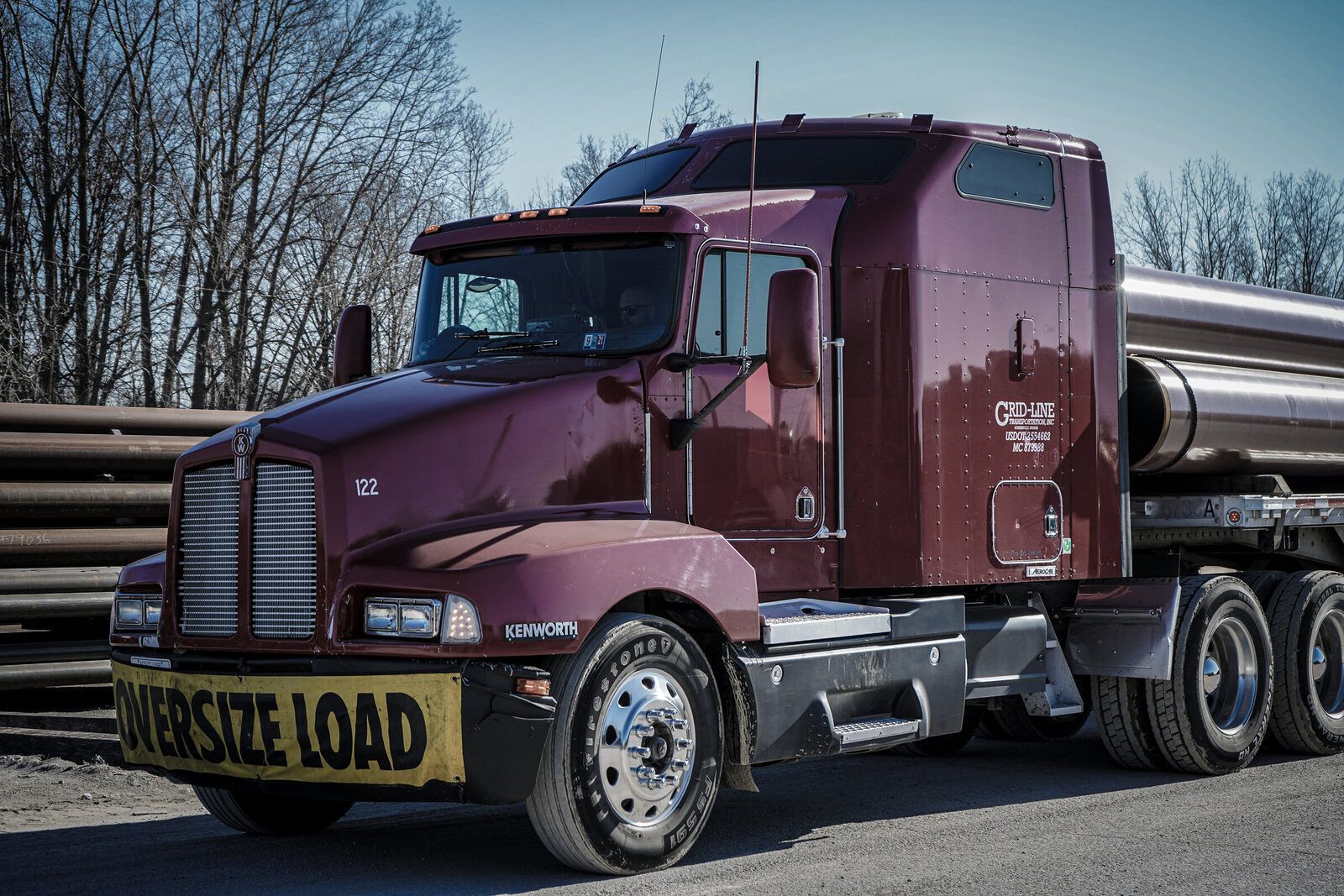
Oversize & Overweight Flatbed Trucking
Some freight does not fit inside the legal box. Wide plate, tall fabrications, long pipe and heavy single coils need permits, routing and the right equipment before they move. Grid-Line's drivers and staff know the regulations and permits it takes to haul these loads safely and legally, across the Midwest.
What makes a load oversize.
Every state publishes a size and weight envelope that a truck can run without a permit. Cross any edge of it and the load needs paperwork. The numbers below are the usual limits in the Midwest; the state along your route has the final word.
Width
In most states a load wider than 8'6" needs an oversize permit. Wide plate, machinery and fabricated steel are the usual reasons.
Height
Loaded height above 13'6" is typically oversize. Tall fabrications and stacked product on a standard deck get there faster than people expect.
Weight
Gross vehicle weight above 80,000 lb, or more weight on an axle group than the law allows, makes a load overweight. Heavy single coils are the common case in steel.
Length
Overhang beyond the trailer, or a trailer longer than the state standard, brings length rules into play. Long pipe, beams and bar are typical.
Coils that need a permit.
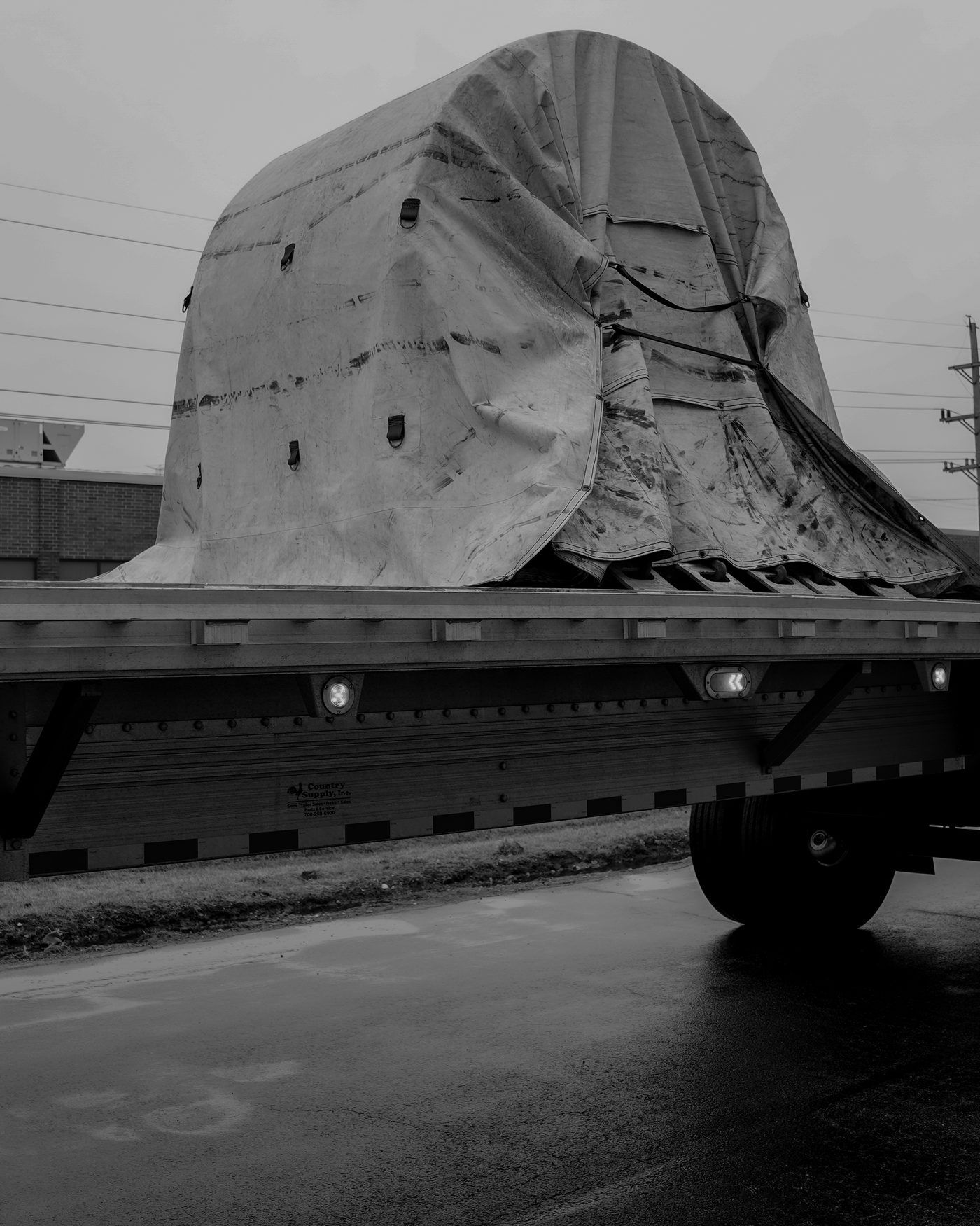
Oversize work is often about weight rather than width. A single steel coil can run to 72,000 lb, well past what a legal load allows, and heavy coil is part of what we haul on our coil lanes. The coil rides standup or skidded on a 48' or 45' flatbed set up for it, chained and tarped, with the permit covering the weight.
Since 2014 we have hauled steel for mills, processors and service centers across the region, and our expertise in permitting and DOT regulations lets us handle oversize or overweight material within legal guidelines. See steel coil hauling for the coil side in depth, or how steel is transported for securement.
Measure first, then move.
A permitted load is planned backwards from the paperwork. The dimensions set the permit, the permit sets the route and the window, and the route sets the day. Accurate numbers up front are what keep an oversize move on schedule.
Dimensions and weight
Length, width, height and weight of the piece as it will sit on the deck, plus the weight distribution if it is lopsided. Accurate numbers are what the permit is written against.
Origin, destination and dates
Permits are issued state by state and tied to a route and a window. The pickup and delivery points, and when the freight is ready, decide which permits apply.
Routing
The permitted route avoids low bridges, weight-restricted roads and construction. It may be longer than the direct drive, and it may carry daylight or weekday restrictions.
Equipment and securement
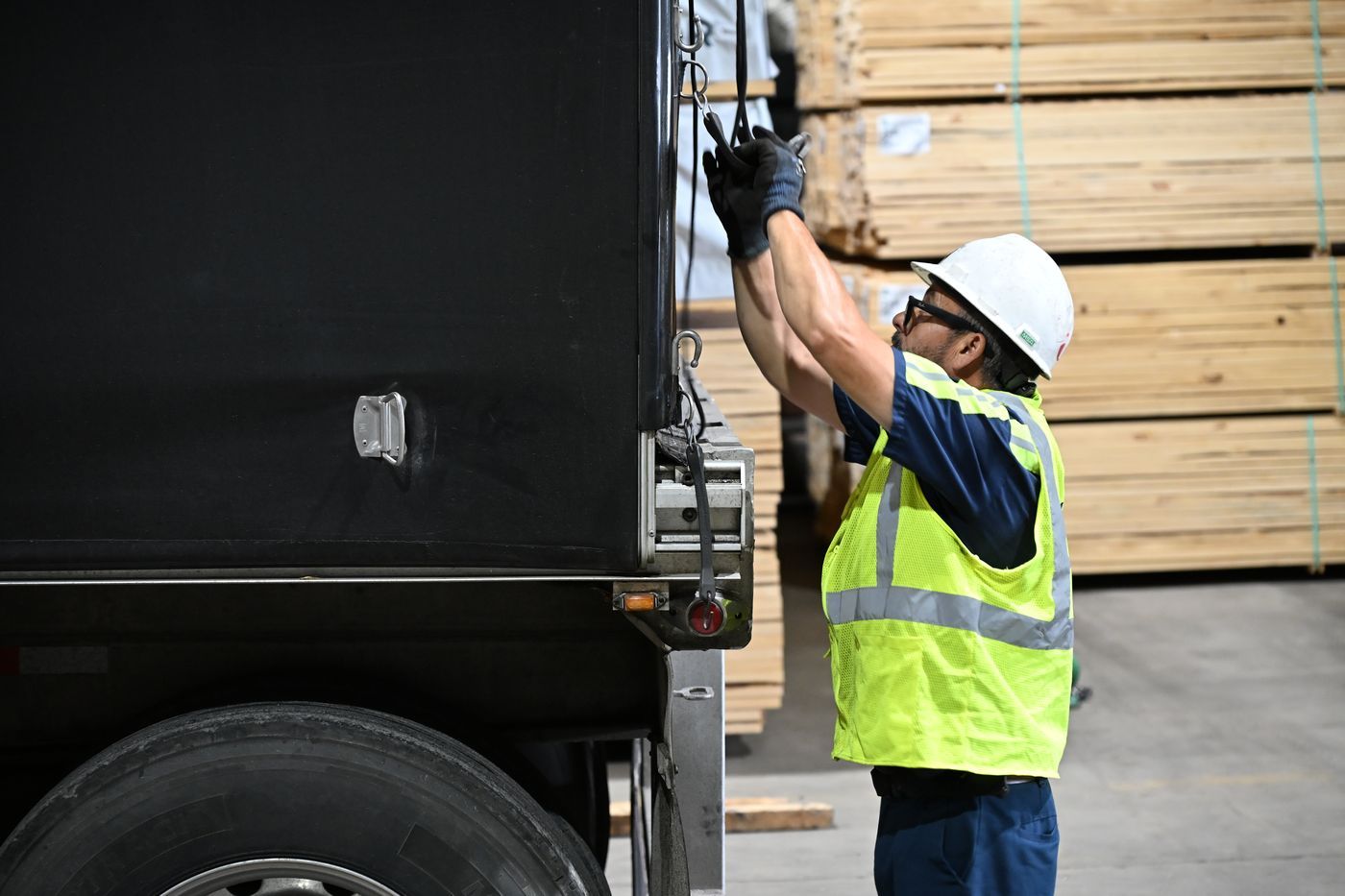
The load dictates the trailer, the tie-down count and whether it tarps. Larger dimensions can also require banners, flags and lights, and at some point escort vehicles.
- Lead time matters. Permits are issued state by state, and larger loads can be limited to daylight or weekday travel. The earlier we have final dimensions, the more options the routing has.
- Dimensions are a commitment. A permit is written to the numbers you give us. If the piece grows after the permit is pulled, the permit is void and the load waits.
- Every load gets a driver who does this. Each Grid-Line driver is an owner-operator with at least two years of verifiable CDL experience, a year on flatbeds and our two-week flatbed and steel securement training. See drive for us.
Midwest regional.
Our oversize and overweight work runs across the same 300+ mile radius as everything else we haul: Chicagoland, Indianapolis, Butler, Delta, Jeffersonville / Louisville and Granite City, with same-day or next-day delivery on legal loads and permit-driven timing on the rest. See all of our service areas and the full range of transportation solutions.
- Chicagoland and northwest Indiana, our home base.
- Indianapolis and Central Indiana down I-65.
- Butler, IN and Delta, OH on the coil lanes east.
- Jeffersonville / Louisville on the Ohio River and Granite City, IL near St. Louis.
Oversize load FAQ
What counts as an oversize or overweight load?
In most states, a load is oversize when it exceeds 8'6" wide, 13'6" high or the standard legal length, and overweight when the loaded truck exceeds 80,000 lb gross or the allowed weight on an axle group. Anything over those lines needs a permit before it moves.
Does Grid-Line haul oversize and overweight freight?
Yes. Our drivers and staff are ready to assist with oversize and overweight material. We know the regulations and permits needed to haul these loads safely and legally, and we move single steel coils up to 72,000 lb.
What do you need from me to quote an oversize load?
The dimensions and weight of the piece as it will ride, the pickup and delivery addresses, and the dates. From that we can tell you whether the load permits, what equipment it needs and what it will cost.
How much lead time does an oversize load need?
More than a legal load. Permits are issued per state along the route, and larger loads can carry travel-window restrictions or need escorts. Tell us as early as you can, and give us the final dimensions before the permit is pulled.
Where do you run oversize loads?
Across our Midwest service area, a 300+ mile radius of Schererville, Indiana that covers Chicagoland, Indianapolis, Butler, Delta, Jeffersonville / Louisville and Granite City. Ask about anything beyond it; we will tell you what we can do.
Can an overweight coil ride on a standard flatbed?
A heavy single coil is usually a permit question rather than a trailer question. Our 48' and 45' flatbeds are set up for standup and skidded coil, and the permit covers the weight. We take care of the securement and the paperwork.
Got something big?
Send the dimensions, the weight, the pickup and delivery points and the dates. We will tell you whether it permits, what it rides on and what it costs, within one business day.
Inquire Now →